Interview multiple candidates
Lorem ipsum dolor sit amet, consectetur adipiscing elit proin mi pellentesque lorem turpis feugiat non sed sed sed aliquam lectus sodales gravida turpis maassa odio faucibus accumsan turpis nulla tellus purus ut cursus lorem in pellentesque risus turpis eget quam eu nunc sed diam.
Search for the right experience
Lorem ipsum dolor sit amet, consectetur adipiscing elit proin mi pellentesque lorem turpis feugiat non sed sed sed aliquam lectus sodales gravida turpis maassa odio.
- Lorem ipsum dolor sit amet, consectetur adipiscing elit.
- Porttitor nibh est vulputate vitae sem vitae.
- Netus vestibulum dignissim scelerisque vitae.
- Amet tellus nisl risus lorem vulputate velit eget.
Ask for past work examples & results
Lorem ipsum dolor sit amet, consectetur adipiscing elit consectetur in proin mattis enim posuere maecenas non magna mauris, feugiat montes, porttitor eget nulla id id.
- Lorem ipsum dolor sit amet, consectetur adipiscing elit.
- Netus vestibulum dignissim scelerisque vitae.
- Porttitor nibh est vulputate vitae sem vitae.
- Amet tellus nisl risus lorem vulputate velit eget.
Vet candidates & ask for past references before hiring
Lorem ipsum dolor sit amet, consectetur adipiscing elit ut suspendisse convallis enim tincidunt nunc condimentum facilisi accumsan tempor donec dolor malesuada vestibulum in sed sed morbi accumsan tristique turpis vivamus non velit euismod.
“Lorem ipsum dolor sit amet, consectetur adipiscing elit nunc gravida purus urna, ipsum eu morbi in enim”
Once you hire them, give them access for all tools & resources for success
Lorem ipsum dolor sit amet, consectetur adipiscing elit ut suspendisse convallis enim tincidunt nunc condimentum facilisi accumsan tempor donec dolor malesuada vestibulum in sed sed morbi accumsan tristique turpis vivamus non velit euismod.
In vielen Lagern ist das manuelle Barcode-Scannen so verbreitet, dass es niemand mehr hinterfragt. Gabelstaplerfahrer scannen Paletten. Kommissionierer scannen SKUs. Verlader scannen Tore. Das System bestätigt. Der Prozess geht weiter.
Es fühlt sich effizient an.
Doch wenn man den Lagerdurchsatz genauer betrachtet, ist manuelles Scannen oft einer der größten versteckten Engpässe.
Nicht, weil es fehlerhaft ist. Sondern weil es ständig unterbricht.
Die versteckten Kosten von Mikro-Unterbrechungen
Jedes Mal, wenn ein Bediener einen manuellen Scan durchführt, stoppt der physische Arbeitsfluss für einen Moment. Der Fahrer verlangsamt, greift den Scanner, zielt, löst aus, wartet auf Bestätigung und fährt fort.
Für sich genommen erscheint diese Pause unbedeutend. Höchstens zwei oder drei Sekunden.
Doch der Lagerdurchsatz basiert nicht auf einzelnen Aktionen – er basiert auf Wiederholung.
Wenn ein Gabelstaplerfahrer 500 Mal pro Schicht scannt und jeder Scan die Bewegung um nur 3 Sekunden unterbricht, führt dies zu etwa 25 Minuten verlorener produktiver Zeit pro Bediener und Tag. Multipliziert man dies mit mehreren Fahrern und einem ganzen Betriebsjahr, wird die Auswirkung erheblich.
Manuelles Barcode-Scannen verlangsamt Lager nicht auf dramatische Weise.
Es verlangsamt sie unbemerkt – tausende Male pro Schicht.
Was die Daten über Genauigkeit und Fehler aussagen
Barcode-Scannen ist weitaus genauer als die manuelle Tastatureingabe. Branchen-Daten zeigen, dass die manuelle Dateneingabe etwa einen Fehler pro 300 Tastenanschläge erzeugt. Barcode-Scannen reduziert dies drastisch auf etwa einen Fehler bei mehreren Millionen Scans.
Dieser Unterschied ist enorm.
Doch selbst das Scannen mit Handheld-Barcodescannern bleibt ein manueller Bestätigungsschritt. Und die manuelle Bestätigung lässt immer noch Raum für Prozesslücken:
- Eine Palette wird gescannt, aber nicht physisch bewegt.
- Ein Kommissionierer scannt den richtigen Standort, entnimmt aber die falsche SKU.
- Ein Tor-Barcode wird bestätigt, aber die Palette gelangt in den falschen LKW.
Menschliches Versagen bleibt ein erhebliches Betriebsrisiko. Eine Zusammenfassung der Forschung zu menschlichem Versagen zeigt, dass Automatisierung die Fehlerquoten um bis zu 80 % in prozessgesteuerten Umgebungen.
Im Lagerbetrieb führen diese Fehler direkt zu Nacharbeit, Reklamationen und Zeitverlust.
Und Fehlerkorrektur ist teuer. Branchenstudien zeigen durchweg, dass die Behebung von Fehlern um ein Vielfaches teurer ist als deren Prävention. Die betrieblichen Auswirkungen gehen weit über die Korrektur eines Datenfeldes hinaus – sie umfassen physische Kontrollen, Kundenkommunikation, zusätzlichen Transport und manchmal Strafen.
Der Durchsatz sinkt nicht nur wegen der Scanzeit – er sinkt wegen der Nacharbeit, die auf Fehler folgt.
Manuelle Prozesse skalieren nicht mit dem Volumen
Mit steigendem Auftragsvolumen nimmt das manuelle Scannen proportional zu. Mehr Scans bedeuten mehr Unterbrechungen. Mehr Unterbrechungen bedeuten mehr Ermüdung und eine höhere Fehlerwahrscheinlichkeit.
In Spitzenzeiten wird dies besonders deutlich. Lager versuchen, den Durchsatz durch den Einsatz von mehr Personal zu steigern. Aber manuelle Prozesse skalieren linear mit der Mitarbeiterzahl. Verdoppelt sich das Volumen, muss sich auch der manuelle Aufwand nahezu verdoppeln.
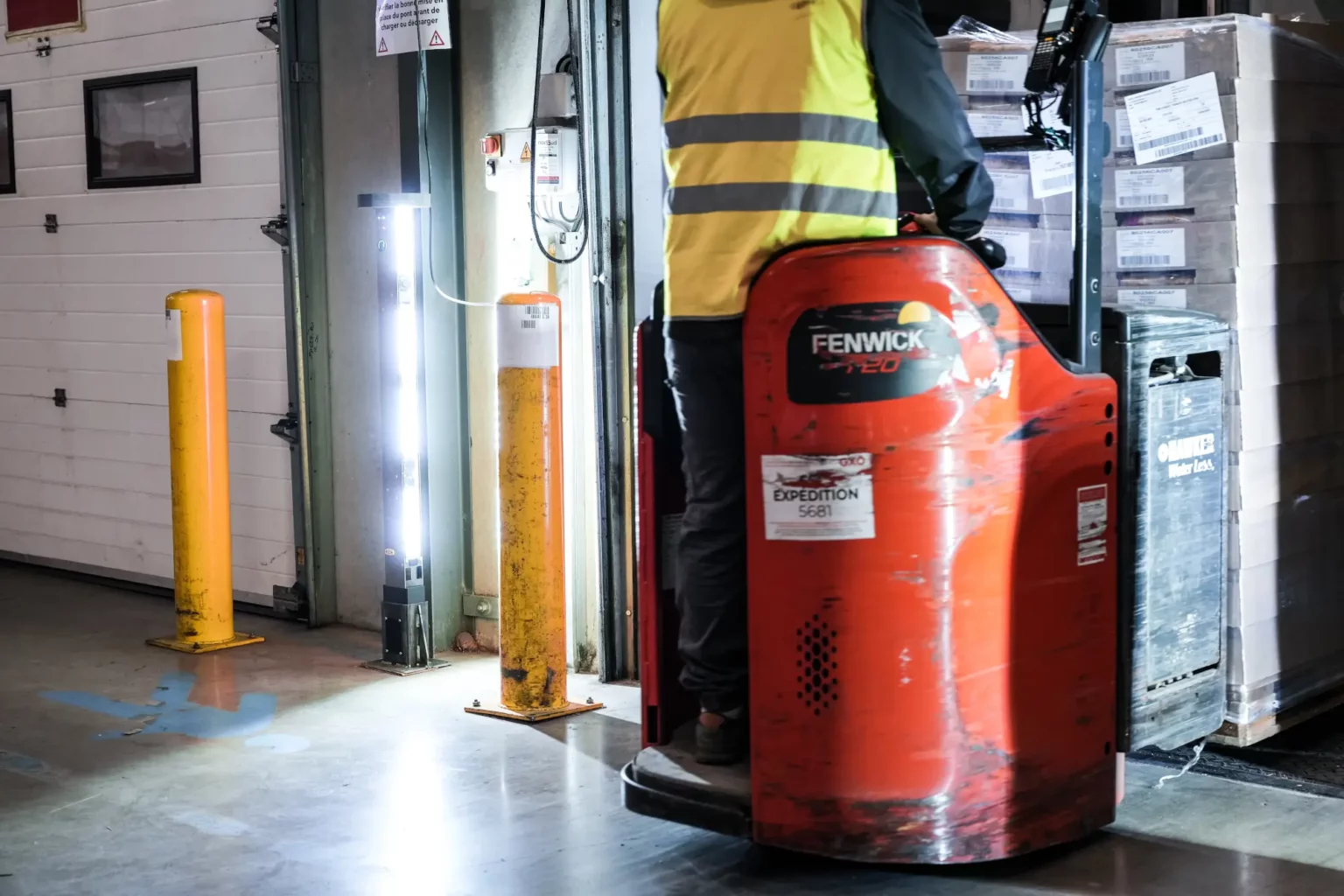
Automatisierung verhält sich anders. Wenn die Validierung automatisch erfolgt – ausgelöst durch Bewegung statt menschlicher Bestätigung – kann der Durchsatz ohne proportionalen Personalzuwachs steigen.
Dieser Unterschied entscheidet darüber, ob ein Lager in der Hochsaison stabil bleibt oder unter dem Druck zusammenbricht.
Ergonomie und Leistung hängen zusammen
Manuelles, triggerbasiertes Scannen ist repetitiv. Bei langen Schichten tragen ständige Handgelenksbewegungen und der Umgang mit Geräten zur Ermüdung bei.
Ermüdung verringert die Konzentration. Verringerte Konzentration erhöht die Fehlerwahrscheinlichkeit.
Der Lagerdurchsatz dreht sich nicht nur um die Geschwindigkeit in der ersten Stunde der Schicht. Es geht darum, über den gesamten Tag hinweg eine konstante Leistung aufrechtzuerhalten.
Manuelles Barcode-Scannen wirkt dieser Konsistenz entgegen.
Der Wandel hin zur automatischen Validierung
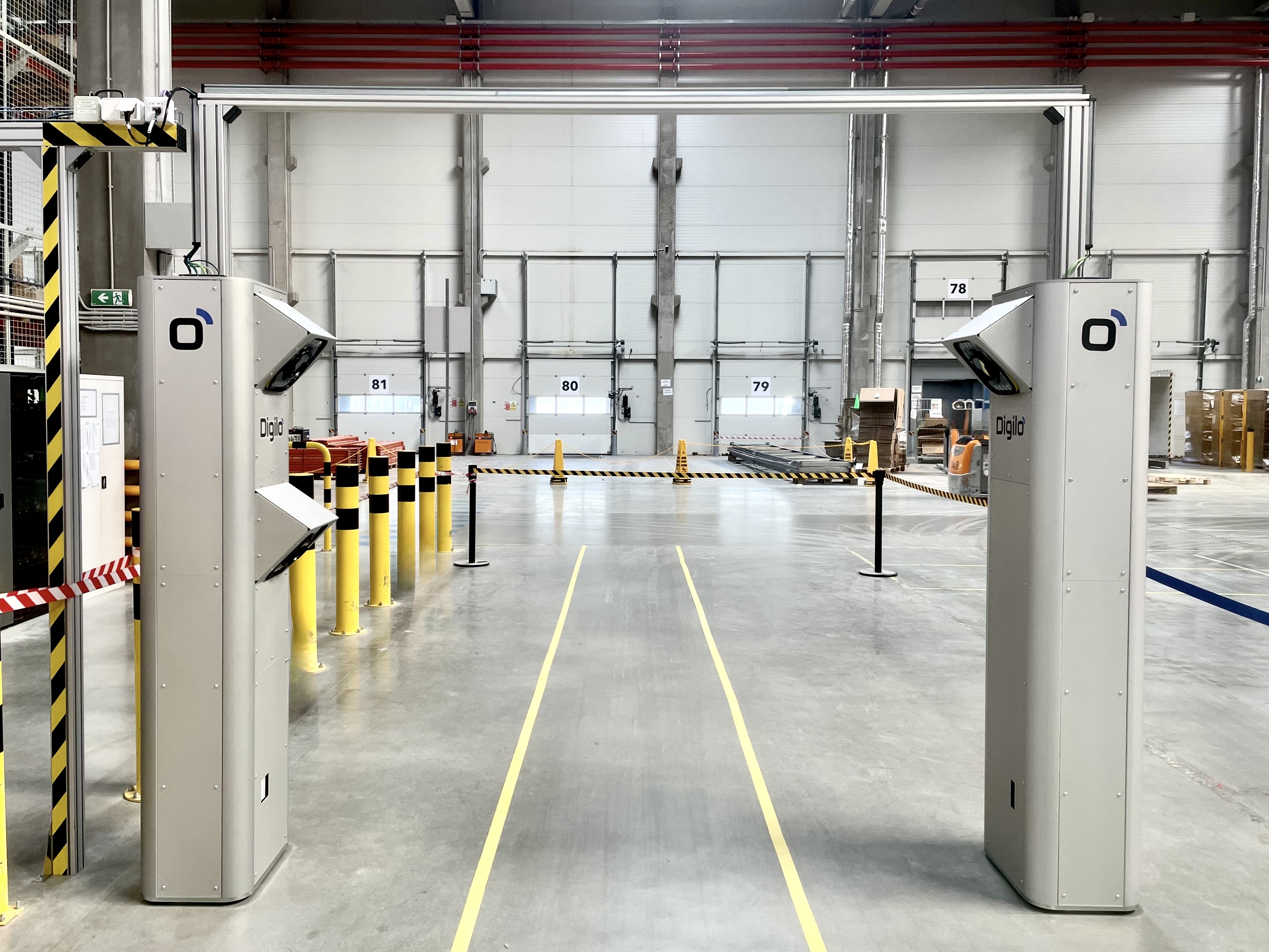
Hochleistungslager wenden sich zunehmend von „Scan-to-Confirm“-Prozessen ab und hin zu automatisierten Datenerfassungssystemen, die Aktionen validieren, ohne den Bewegungsfluss zu unterbrechen.
Wenn der digitale Fluss den physischen Fluss in Echtzeit widerspiegelt, passieren mehrere Dinge:
Die Bewegung wird kontinuierlich.
Fehler nehmen ab.
Daten werden zuverlässig.
Der Durchsatz erhöht sich auf natürliche Weise.
Der Bediener konzentriert sich auf das Bewegen von Waren – nicht auf die Eingabe von Daten in das System.
Die eigentliche Frage
Manuelles Barcode-Scannen ist immer noch besser als manuelles Tippen und verbessert die Datengenauigkeit erheblich. Aber es ist nicht mehr der effizienteste Weg, ein Hochdurchsatzlager zu betreiben.
Wenn jede Palettenbewegung, jede Kommissionierung und jede LKW-Beladung eine manuelle Bestätigung erfordert, ist Ihr Durchsatz durch die Geschwindigkeit menschlicher Interaktion begrenzt – nicht durch Ihre Systemkapazität.
Und in der modernen Logistik kommt es auf diesen Unterschied an.
Die Frage ist nicht mehr, ob manuelles Barcode-Scannen funktioniert. Die Frage ist, wie viel Produktivität Ihr Lager verliert, weil es immer noch davon abhängt.
.png)