.jpeg)

Interview multiple candidates
Lorem ipsum dolor sit amet, consectetur adipiscing elit proin mi pellentesque lorem turpis feugiat non sed sed sed aliquam lectus sodales gravida turpis maassa odio faucibus accumsan turpis nulla tellus purus ut cursus lorem in pellentesque risus turpis eget quam eu nunc sed diam.
Search for the right experience
Lorem ipsum dolor sit amet, consectetur adipiscing elit proin mi pellentesque lorem turpis feugiat non sed sed sed aliquam lectus sodales gravida turpis maassa odio.
- Lorem ipsum dolor sit amet, consectetur adipiscing elit.
- Porttitor nibh est vulputate vitae sem vitae.
- Netus vestibulum dignissim scelerisque vitae.
- Amet tellus nisl risus lorem vulputate velit eget.
Ask for past work examples & results
Lorem ipsum dolor sit amet, consectetur adipiscing elit consectetur in proin mattis enim posuere maecenas non magna mauris, feugiat montes, porttitor eget nulla id id.
- Lorem ipsum dolor sit amet, consectetur adipiscing elit.
- Netus vestibulum dignissim scelerisque vitae.
- Porttitor nibh est vulputate vitae sem vitae.
- Amet tellus nisl risus lorem vulputate velit eget.
Vet candidates & ask for past references before hiring
Lorem ipsum dolor sit amet, consectetur adipiscing elit ut suspendisse convallis enim tincidunt nunc condimentum facilisi accumsan tempor donec dolor malesuada vestibulum in sed sed morbi accumsan tristique turpis vivamus non velit euismod.
“Lorem ipsum dolor sit amet, consectetur adipiscing elit nunc gravida purus urna, ipsum eu morbi in enim”
Once you hire them, give them access for all tools & resources for success
Lorem ipsum dolor sit amet, consectetur adipiscing elit ut suspendisse convallis enim tincidunt nunc condimentum facilisi accumsan tempor donec dolor malesuada vestibulum in sed sed morbi accumsan tristique turpis vivamus non velit euismod.
In der anspruchsvollen Welt der Auftragsabwicklung finden sich Lagerleiter oft in einem frustrierenden Paradoxon wieder. Um Kommissionierfehler zu reduzieren, fügen sie dem Prozess in der Regel weitere „Kontrollen“ hinzu – Doppels Scans, manuelle Zählungen oder sekundäre Verifizierungsstationen.
Obwohl diese Schritte Fehler aufdecken, haben sie einen hohen Preis: Arbeitskosten. Jede zusätzliche Sekunde, die ein Mitarbeiter mit der Verifizierung eines Artikels verbringt, ist eine Sekunde, in der er nicht zur nächsten Kommissionierung übergeht. Traditionell musste man, wenn man 100 % Genauigkeit wollte, einen langsameren Durchsatz und einen höheren Personalbestand in Kauf nehmen. Doch in einer Zeit steigender Löhne und Arbeitskräftemangel ist es keine nachhaltige Strategie mehr, das Problem mit mehr Personal zu lösen.
Warum traditionelle Fehlerkorrektur ein Produktivitätskiller ist
Die meisten Lager verlassen sich auf Methoden zur Qualitätssicherung, die in Bezug auf die Kosteneffizienz grundlegend fehlerhaft sind:
- Der „Scan-to-Confirm“-Engpass: Die Anforderung an Kommissionierer, jede einzelne SKU zu scannen, stellt sicher, dass der richtige Artikel kommissioniert wurde, unterbricht aber den physischen Arbeitsfluss. Der Kommissionierer muss anhalten, den Barcode finden, den Scanner ausrichten und auf Bestätigung warten. Bei Tausenden von Kommissionierungen summieren sich diese Mikro-Unterbrechungen zu Stunden verlorener produktiver Zeit pro Schicht.
- Die sekundäre Qualitätskontrolle: Viele Einrichtungen senden kommissionierte Behälter an eine separate Packstation, wo ein anderer Mitarbeiter die gesamte Bestellung manuell erneut überprüft. Dies verdoppelt effektiv die Arbeitskosten für eine einzelne Bestellung, nur um Fehler zu beheben, die im ersten Schritt gemacht wurden.
- Bestätigungsmüdigkeit: Systeme wie Pick-by-Voice erfordern oft, dass Mitarbeiter eine Prüfziffer sprechen. Obwohl es „hands-free“ ist, ist es nicht „mind-free“. Es erfordert immer noch einen manuellen Dateneingabeschritt, der den natürlichen Rhythmus eines erfahrenen Mitarbeiters verlangsamt.
Diese manuellen Bestätigungsschritte verlangsamen nicht nur das Lager – sie erzeugen eine „digitale Verzögerung“, bei der System und physische Realität ständig nicht synchron sind.
Übergang zur „Zero-Step“-Verifizierung
Das Geheimnis, Fehler zu reduzieren, ohne die Arbeitskosten zu erhöhen, liegt in der autonomen Validierung. Anstatt den Mitarbeiter zu bitten, beweisen sie Recht haben, sollte die Lagerumgebung die Aktion selbst validieren, sobald sie geschieht.
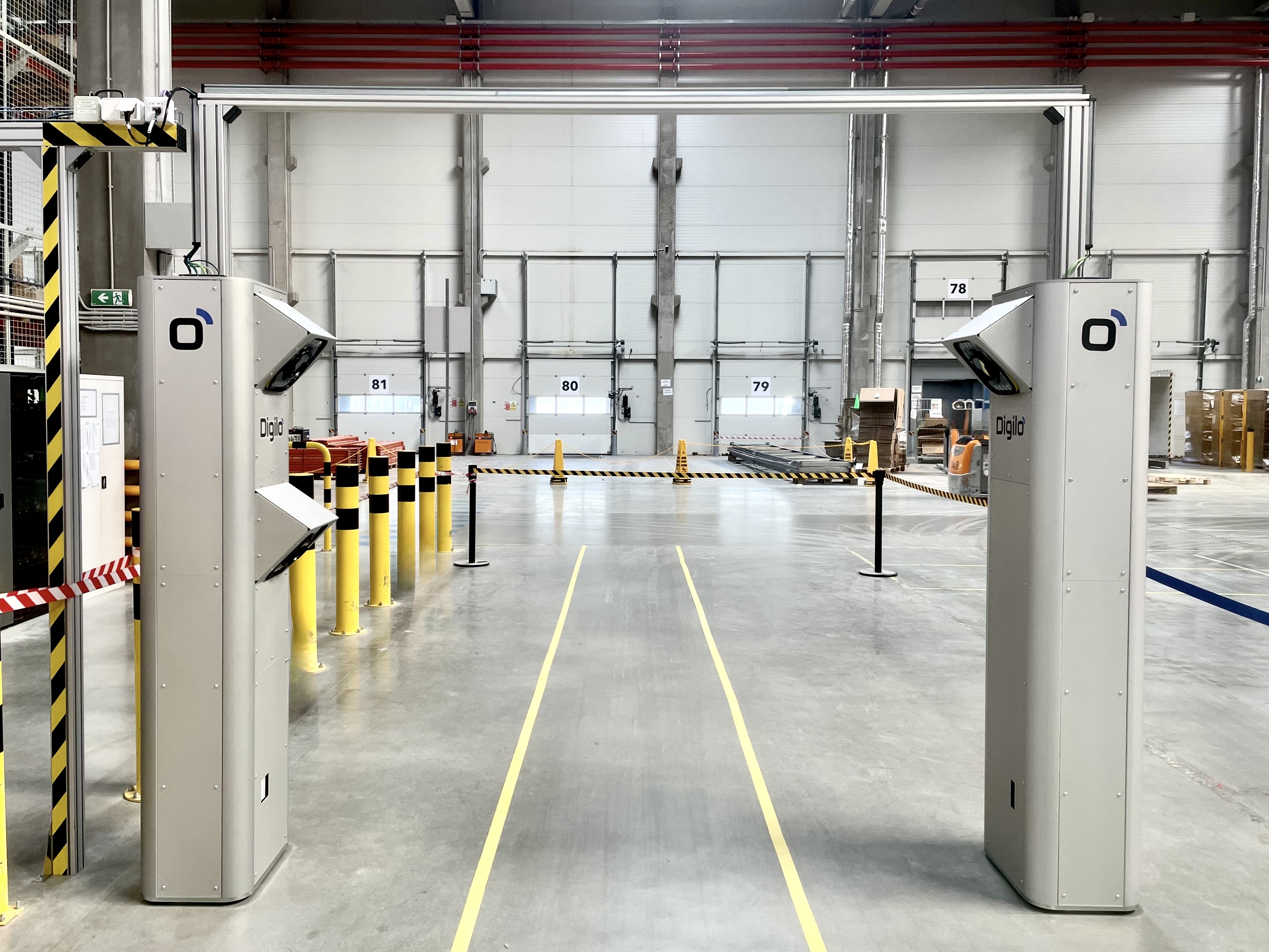
Durch die Umstellung von manueller Bestätigung auf sensorbasierte Wahrnehmung können Lager eine „fehlerfreie“ Kommissionierung ohne einen einzigen zusätzlichen Scan oder Sprachbefehl erreichen. So verändert sich der Arbeitsablauf:
- Räumliche Intelligenz (Die Kommissionierseite): Anstatt ein Regal zu scannen, können Sensoren den genauen Moment erkennen, in dem eine Hand in ein Kommissionierfach greift. Wenn die Hand an die falsche Stelle greift, macht das System den Kommissionierer sofort darauf aufmerksam – noch bevor der Artikel bewegt wird. Dies verhindert den Fehler an der Quelle, ohne eine Geräteinteraktion zu erfordern.
- Gewichts- & Sichtprüfung (Die Einlagerungsseite): Wenn ein Artikel in den Auftragsbehälter gelegt wird, kann integrierte Technologie – wie Hochgeschwindigkeitswaagen oder Überkopfsensoren – sofort die Menge und SKU überprüfen. Dies stellt sicher, dass die „Einlagerung“ korrekt ist, ohne dass der Mitarbeiter eine Bestätigung auslösen muss.
- Freihändige Dokumentation: Anstatt dass ein Mitarbeiter ein Foto eines fertiggestellten Kits oder eines beschädigten Artikels macht, können Überkopfsysteme automatisch hochauflösende Beweise jeder Aktion erfassen. Dies schafft eine „Quelle der Wahrheit“ für die Schadensminderung, ohne einen einzigen menschlichen „Klick“.
Genauigkeit als Nebenprodukt, nicht als Aufgabe
Wenn Sie die Last der Überprüfung vom Menschen nehmen und sie systematisch gestalten, ist Genauigkeit kein „Schritt“ mehr in Ihrem Prozess – sie ist ein Ergebnis des Prozesses.
Lager, die diesen „reibungslosen“ Ansatz verfolgen, verzeichnen oft eine 2-fache Steigerung der Kommissioniergeschwindigkeit während gleichzeitig die Fehlerraten gegen Null gehen. Sie arbeiten nicht härter oder stellen mehr Personal ein; sie beseitigen lediglich die manuellen Barrieren, die dazu gedacht waren, Fehler abzufangen, aber stattdessen die Produktivität bremsten.
Das Ziel moderner Logistik sollte nicht sein, mehr Wege zu finden, die Arbeit Ihrer Mitarbeiter zu überprüfen. Es sollte sein, ein System aufzubauen, in dem es physisch unmöglich ist, überhaupt einen Fehler zu machen.
.png)